



TODAY’S
TEXTILE WASTE
TOMORROW’S
HIGH-QUALITY
RECYCLED
MATERIALS
TODAY’S
TEXTILE WASTE
TOMORROW’S
HIGH-QUALITY
RECYCLED
MATERIALS
About Us
The next generation of textile to textile polyester recycling — built to handle
the complex textile waste streams that traditional methods cannot process.
About Us
The next generation of textile to textile polyester recycling — built to handle the complex textile waste streams that traditional methods cannot process.

Innovative Molecular Recycling
Transforming polyester based
textile waste into virgin-like fibers.
Strong Industry Collaboration
Strategic partnership with
Meltem Kimya x Kipaş Textiles; leveraging
their chemical recycling expertise.
Sustainable Focus
Kipaş fibR-e™ emphasizes eco-friendly
practices by recycling mono-polyester and
blended textiles. (min. 70% polyester)
MOLECULAR RECYCLING
PROCESS
MOLECULAR RECYCLING
PROCESS
Innovative Molecular Recycling
Transforming polyester based textile waste into virgin-like fibers.
Strong Industry Collaboration
Strategic partnership with Meltem Kimya x Kipaş Textiles; leveraging their chemical recycling expertise.
Sustainable Focus
Kipaş fibR-e™ emphasizes eco-friendly practices by recycling mono-polyester and blended textiles. (min. 70% polyester)
In collaboration with Kipaş Textiles and Meltem Kimya we are redefining how complex textile waste is managed.
The fibR-e platform integrates patented molecular recycling technology developed by Meltem Kimya with staple fiber and filament yarn production at Kipaş Textiles, completing the textile-to-textile production cycle.
Recycling Technologies & Methods
At Kipaş fibR-e, we integrate multiple recycling technologies to
create a scalable, high-performance circular ecosystem:
Recycling Technologies & Methods
At Kipaş fibR-e, we integrate multiple recycling technologies to create a scalable, high-performance circular ecosystem:
Product Types







Recycled Polyester
Based Fabrics
KIPAS fibR-e produces textile-to-textile (T2T) recycled polyester fabrics made from molecularly recycled polyester-rich post-consumer and industrial waste. Available in Formal, Casual, Shirting and Denim lines — and for technical textile applications, these fabric o er consistent hand, durability, and nish, with GRS-compliant traceability and reduced microplastic release.
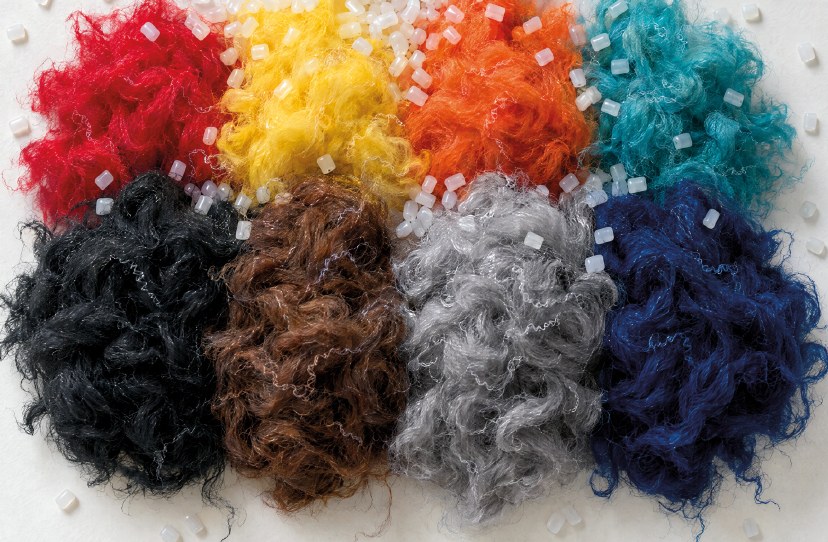
Dope Dyed Staple Fiber
Textile-to-textile recycled polyester staple fiber coloured by adding pigment to the polymer before extrusion.
Explore Dope Dyed Staple FiberIMPACT & FUTURE LOOK
We are committed to helping you achieve your 2030 preferred materials goals.
We stand with you and believe that collaboration is key to reaching those sustainability targets.

Virgin Materials Reduction
Massive potential for reducing reliance on virgin polyester.
Supporting Brand Goals
Enables brands to fulfill and enhance sustainability commitments.
Strategic Collaborations
Rapid advancements through strategic industry collaborations.
Industry Leadership
KIPAS fibR-e as a game-changer for environmental responsibility in textiles.