
Staple Fiber
Cutting → Staple Fiber
It is produced using our molecularly recycled textile-to-textile material.
Explore Staple Fiber
Depolymerization (Glycolysis) Method for Converting
Polyester Waste into Original Equivalent R-Tex Resin.
Depolymerization (Glycolysis) Method for Converting Polyester Waste into Original Equivalent R-Tex Resin.
At Kipaş Textiles, rTEX chips from molecular recycling are processed into staple fiber and filament yarn, continuing the textile-to-textile production cycle.
Cutting → Staple Fiber
It is produced using our molecularly recycled textile-to-textile material.
Explore Staple Fiber
Filament Yarn Output
Recycled filament yarn ready for further textile production.
Explore Filament Yarn
Polyester chips are melted and spun into recycled staple fibers as a new raw material for yarn production.

Recycled staple fibers and chips are transformed into staple fiber yarn and filament yarn at Kipaş.
The recycled yarns are ready for Kipaş denim and non-denim fabrics and new garments, closing the textile-to-textile loop with fibR-e.
Contact fibR-e team to explore products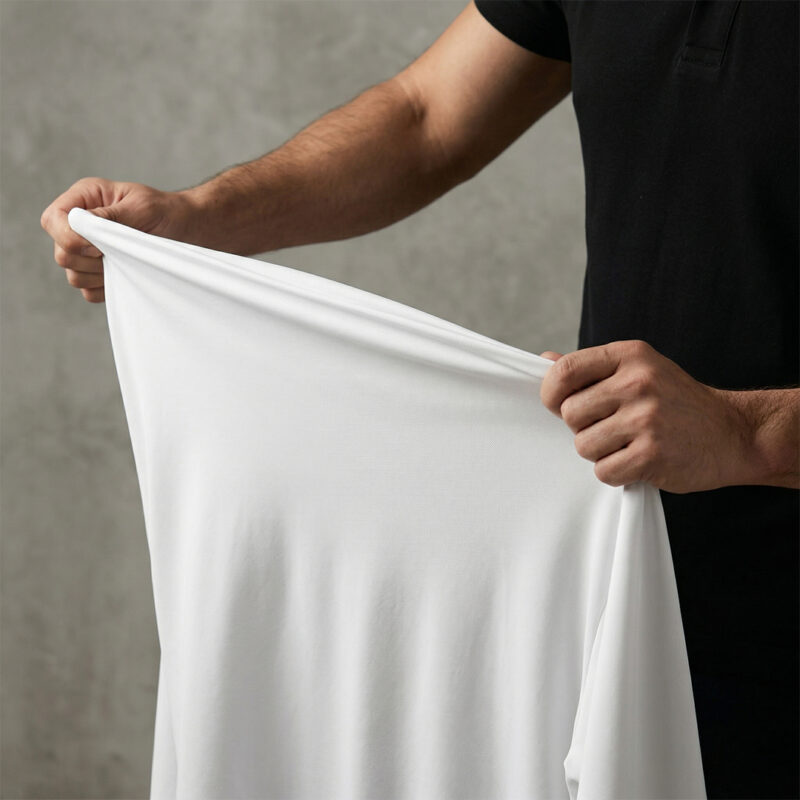
fibR-e uniquely processes textile waste containing up to 7% elastane.
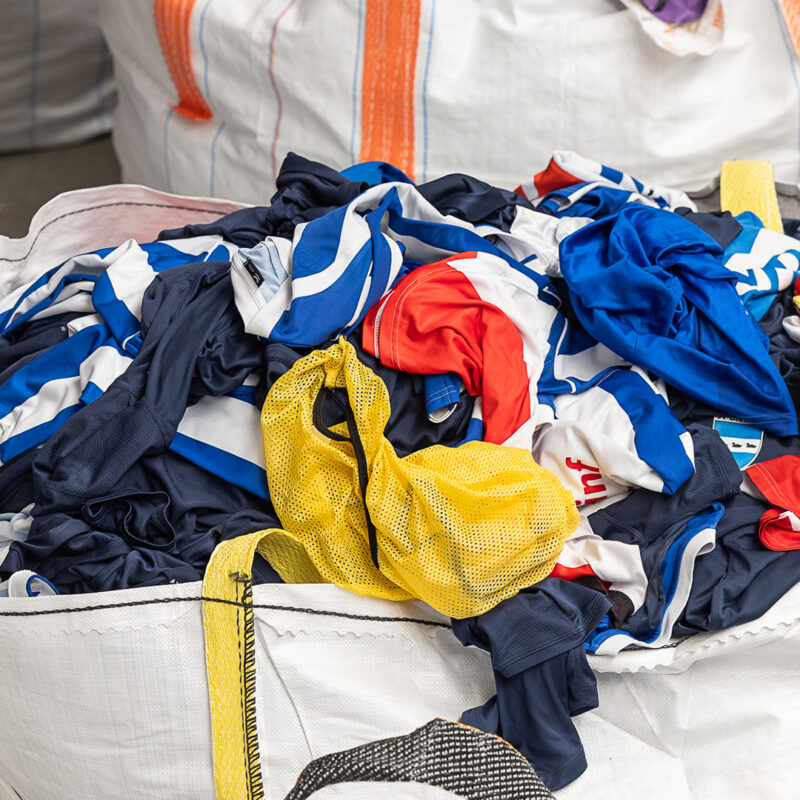
fibR-e uniquely processes pre- and post-consumer textile waste containing 70% or more polyester.
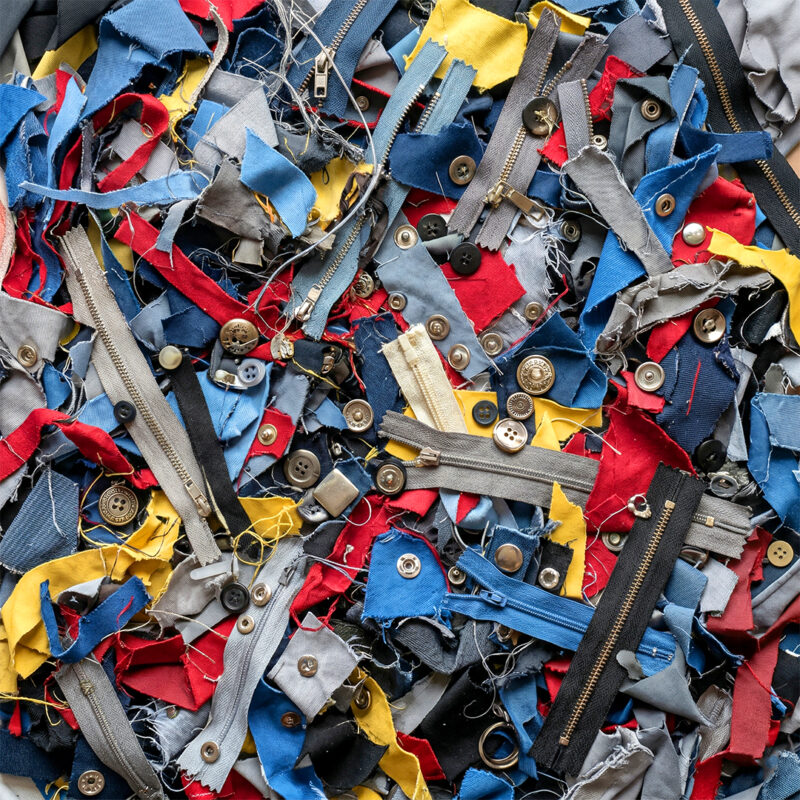
No need to remove trims or cut garments prior to recycling.
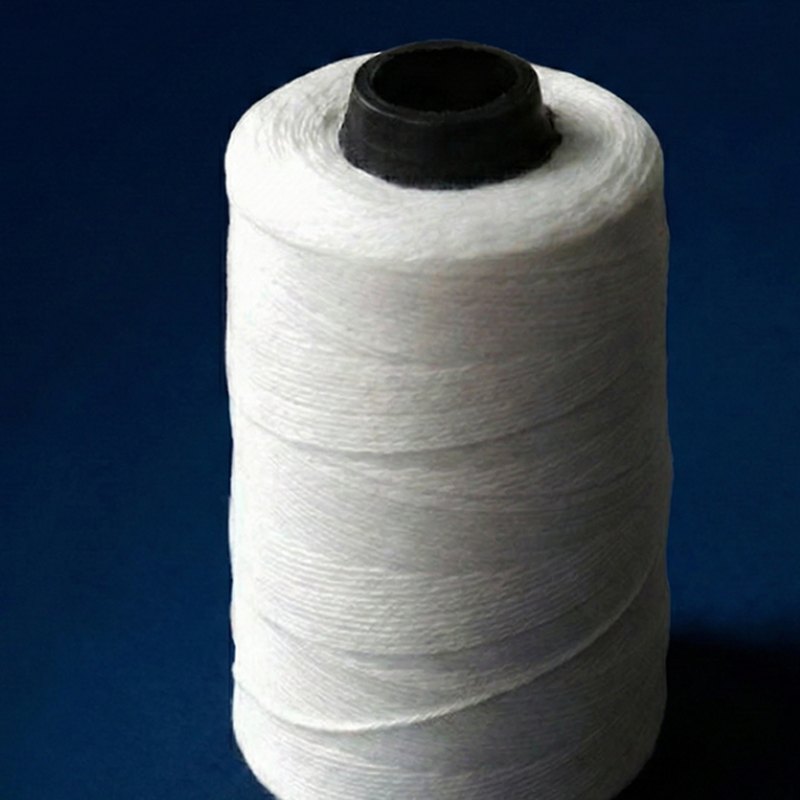
Textiles that feel and function like virgin polyester.
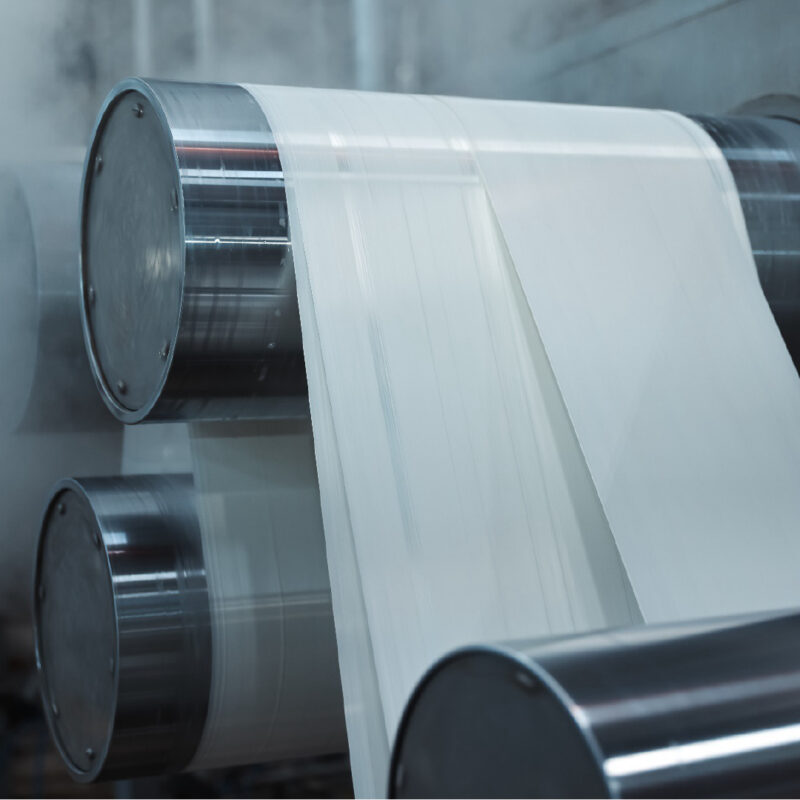
Daily production capacity of 200 tons enables brands to replace virgin or open-loop recycled fibers within existing supply chains.
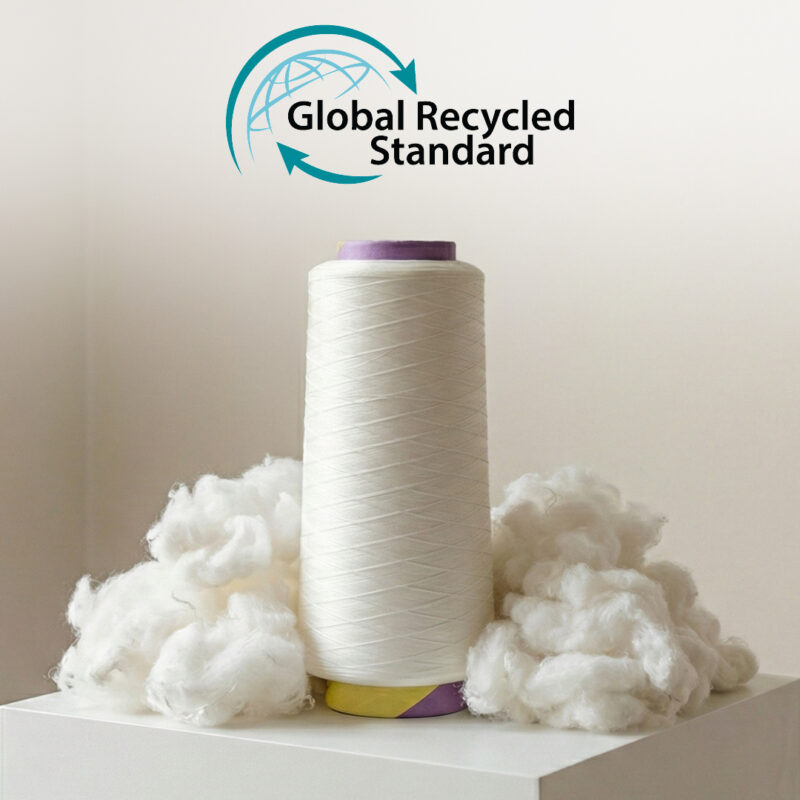
Documented textile feedstock. Every shipment is supported by a Transaction Certificate, ensuring full traceability of the T2T recycled material throughout the supply chain.

The next generation of textile to textile polyester recycling — built to handle the complex textile waste streams that traditional methods cannot process.
Headquarters & Facility:
Karacasu Karaziyaret Mahallesi
Fatih Sultan Mehmet Caddesi No:1/A
Dulkadiroğlu , Kahramanmaraş
The next generation of textile to textile polyester recycling — built to handle the complex textile waste streams that traditional methods cannot process.
Headquarters & Facility:
Karacasu Karaziyaret Mahallesi
Fatih Sultan Mehmet Caddesi No:1/A
Dulkadiroğlu , Kahramanmaraş
T: +90 (344) 236 3800
E: info@kipasfibre.com